Before you book: how to check your doctor is really licensed in Dubai
Who licenses doctors in Dubai, how to look one up yourself in two minutes, how to check the clinic too, and the warning signs that mean you should walk away.
Read the article
Journal · Aesthetic Medicine
What skin boosters, mesotherapy and PRP each really do, how quickly you may see a change, what can go wrong, and how to tell which one fits the reason your skin looks tired.
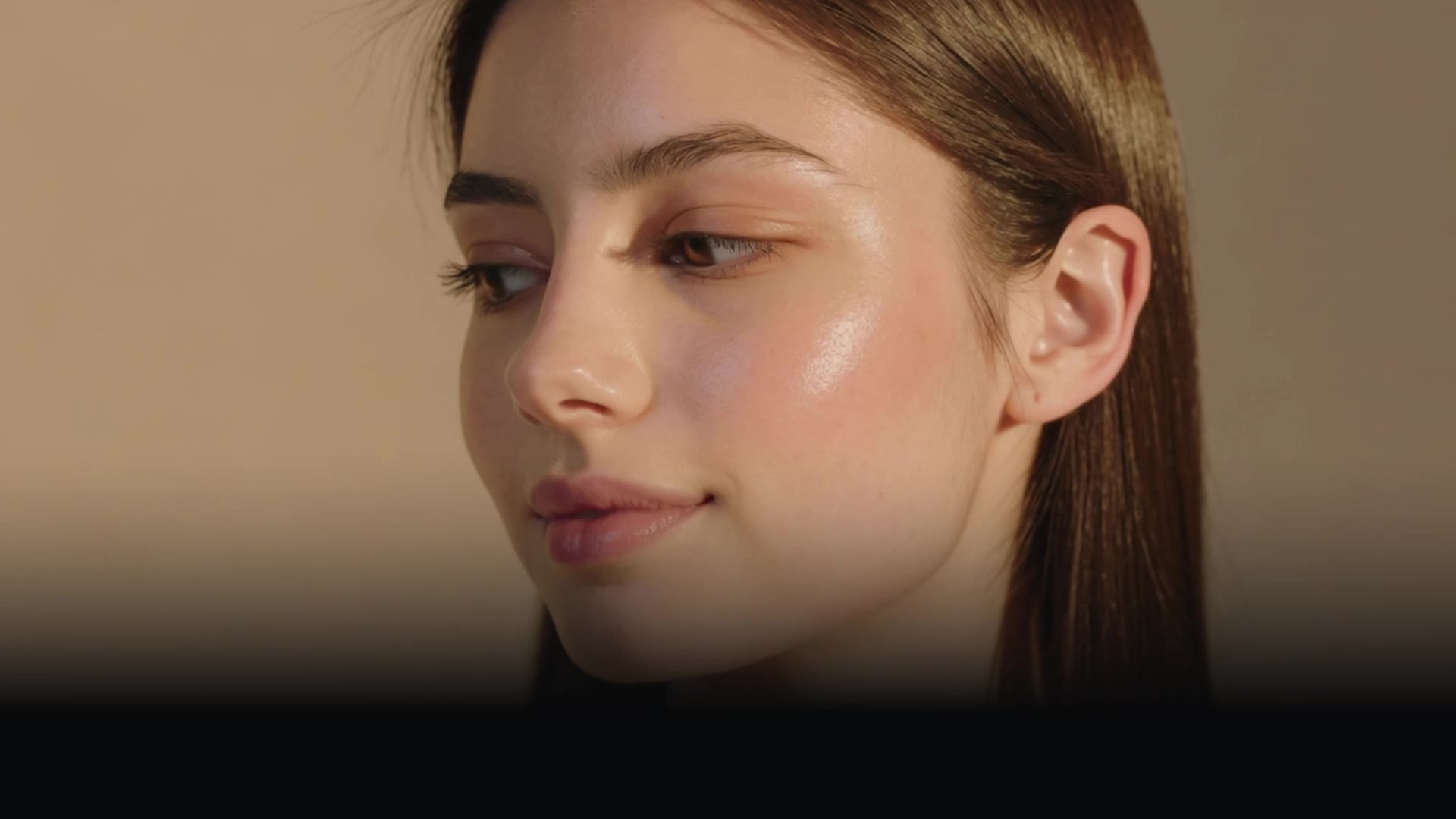
You look in the mirror and your skin just looks tired. Not wrinkled, exactly. Flat. A little dull. Make-up sits on it instead of in it.
Then you search for help and find three names that all seem to promise the same thing: skin boosters, mesotherapy and PRP. It is hard to know which one you actually need, or whether you need any of them.
Here is how I explain the difference in clinic.
All three put something into the skin to improve its quality, not its shape. Skin boosters add water-holding hyaluronic acid. Mesotherapy is a way of delivering small amounts of a mixture into the skin. PRP uses a concentrate from your own blood. None of them fills hollows or lifts sagging. The right choice depends on why your skin looks tired.
This is the question that matters most, and it is often skipped.
Skin can look tired for two very different reasons:
All three treatments in this article help the first problem. None of them fixes the second, however many sessions you have. If your tiredness comes from lost volume, I will tell you, and we will talk about other options instead.
A skin booster is a gel of hyaluronic acid, a sugar your skin already makes that holds water like a sponge. It is placed as many tiny drops into the dermis, the deeper layer of the skin.
It is related to filler, but it does a different job. Filler is made to hold a shape and add volume. A booster is thin and made to spread out. It does not change the shape of your face.
What you may notice: skin that looks more hydrated and smoother, often within a few weeks. Some people describe it as skin that “holds the light” again.
Good for: dry, dull, slightly crepey skin on the face, neck, chest and hands.
Mesotherapy means placing very small amounts of a product into the skin with fine needles. The word describes the technique, not what is in the syringe.
That is why two clinics can both say “mesotherapy” and mean quite different things. Some use hyaluronic acid. Some use mixtures with vitamins, amino acids, which are the building blocks of protein, or antioxidants.
I will be honest about the evidence. For hyaluronic acid delivered this way, it is reasonable. For many vitamin mixtures, the research is smaller and less consistent. So always ask: what exactly is in it, and is it a licensed product?
Good for: the same surface problems as a booster. When I use mesotherapy for skin quality, I prefer products based on hyaluronic acid, because that is where the evidence is strongest.
PRP stands for platelet-rich plasma. I take a small amount of your blood, like a normal blood test, and spin it in a machine. This separates out a concentrate of platelets, the tiny cells that help wounds heal. That concentrate is then placed back into your skin.
Platelets release signals that tell the skin to repair itself. Nothing foreign is added. But nothing happens quickly either.
What you may notice: a slow improvement in texture and tone, usually from about 6 to 8 weeks. In one well-known study, people treated with PRP on one side of the face saw better texture on that side at six months.
Good for: texture, fine crepiness under the eyes, and early hair thinning. One honest warning: PRP is not made the same way in every clinic, and results vary more than with the other two.
For all three: small bumps or redness for a few hours to a day, and sometimes a small bruise. Most people go back to work the same day.
I do not treat you if you are pregnant or breastfeeding, have an active skin infection, or, for PRP, have a blood disorder or take certain blood-thinning medicines.
I start by looking at your skin in good light and asking what bothers you most. Then I decide whether it is a surface problem or a structure problem. That one step decides everything else.
If it is surface, I usually start with the simplest option that fits. If you would rather nothing foreign goes into your skin, PRP is a good conversation to have. And if your skin is also sun-damaged, I may suggest a peel alongside, or instead.
I also ask about your sunscreen. In Dubai’s sun and air conditioning, skin that is not protected every day loses the benefit between sessions.
A skin booster usually shows a difference first, often within a few weeks. PRP is the slowest, with change from about 6 to 8 weeks.
Yes, sometimes. I plan combinations at consultation so they are spaced properly and do not overlap.
No. It is designed to spread out and improve skin quality, not to add volume or lift.
I use a numbing cream first. Most people feel quick, small pricks. The neck and under the eyes can feel a little more sensitive.
It varies between people. Most people need a short starting course and then occasional top-up sessions. Daily sunscreen helps results last longer.
This article is general information, not medical advice for you personally. Results vary between individuals, and every treatment needs a face-to-face consultation with a licensed doctor first, so we can talk about your health, your goals and the risks.
Read more about how I use these treatments on my mesotherapy and skin boosters in Dubai and PRP in Dubai pages, or book a consultation.
Consultations at Soleá Clinic, Dubai, are by appointment. We discuss whether a treatment is right for you before anything is booked.
Reserve a consultationWho licenses doctors in Dubai, how to look one up yourself in two minutes, how to check the clinic too, and the warning signs that mean you should walk away.
What the small, common side effects are, how often an eyelid droops, why the serious problems usually come from fake product or the wrong hands, and who should not have it.
Natural lips are a question of shape, not volume. What I assess before touching anything, the four ways lips end up looking done, and why half a millilitre is often the whole treatment.