
Unhappy with your filler? Here's how it gets fixed.
Overfilled lips, lumps or a bluish shadow under the eyes: how hyaluronic acid filler is dissolved, how fast it works, what cannot be dissolved, and the signs that mean call now.
Read the article
Journal · Aesthetic Medicine
Polynucleotides, exosomes, collagen stimulators, skin boosters and PRP: what each regenerative treatment does, how strong the evidence is, and the questions to ask before you book.
Your feed is full of new words: polynucleotides, exosomes, biostimulators, “regenerative” treatments. Friends mention salmon DNA injections. It sounds exciting, but also confusing. Which of these are real, and which are just this year’s marketing?
Here is my honest guide to the treatments people are asking about most this year.
The big shift is from filling and freezing towards helping your own skin repair itself. Some of these treatments, like collagen stimulators and skin boosters, have a solid track record. Others, like polynucleotides, are promising but have less research behind them. Some, like many exosome products, are still unproven and not always properly regulated. Ask what is in the syringe, and what the evidence says.
For years, aesthetic medicine mostly did two things. It relaxed muscles with Botox, and it added volume with filler.
The newer trend is different. These treatments aim to improve the quality of your own skin: its thickness, firmness, hydration and glow. They work by giving your skin a signal to repair, rather than by adding something you can see on the day.
The results are usually gradual and subtle. That is the appeal for many people. It is also why honest expectations matter.
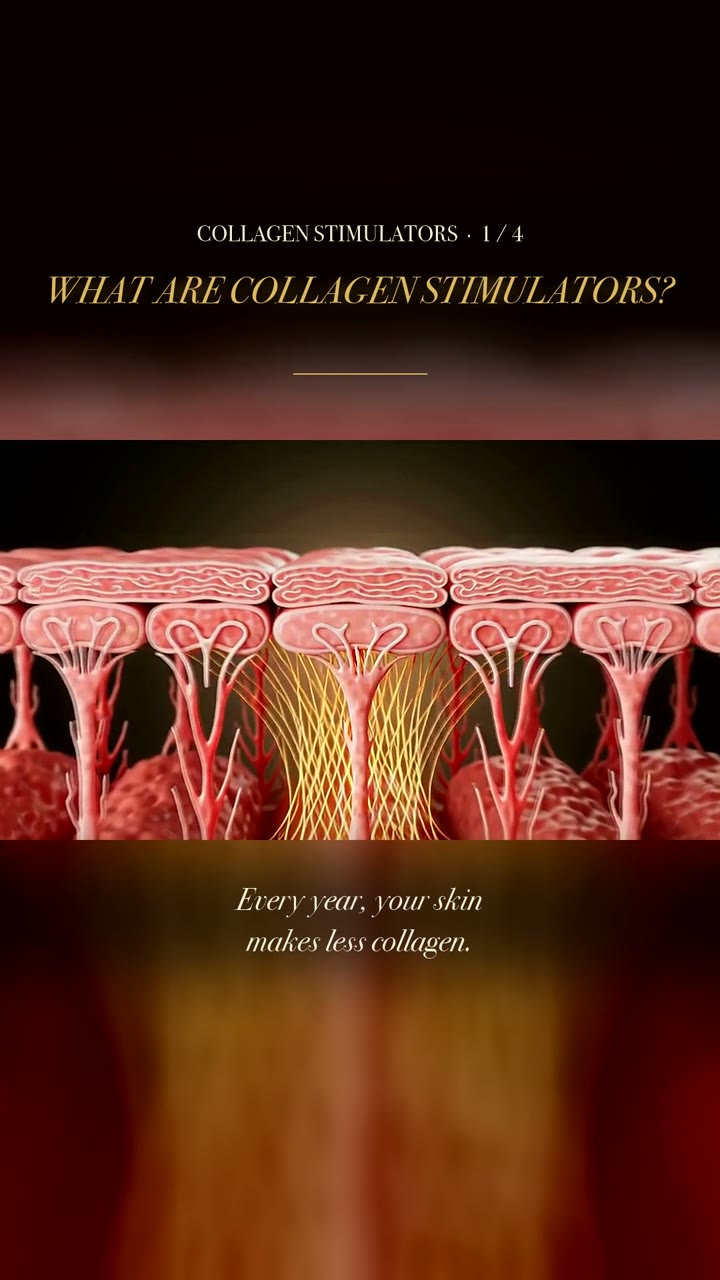
What they are: injectable materials, such as poly-L-lactic acid, that encourage your skin to make its own new collagen, the protein that keeps skin firm.
How they work: the tiny particles are slowly absorbed by the body. The collagen they triggered stays.
What to expect: usually two to three sessions, four to six weeks apart. Results build over two to three months and can last up to about two years.
Evidence: good. Poly-L-lactic acid has been used in medicine for decades and in aesthetics for many years.
What they are: very thin hyaluronic acid gels, placed as many tiny drops in the skin.
What they do: hold water in the skin, so it looks more hydrated and smoother. They do not change the shape of your face.
Evidence: reasonable, especially for dry, dull or slightly crepey skin. Results often show within a few weeks.
What they are: purified fragments of DNA, usually taken from salmon or trout. That is where the “salmon DNA” name comes from.
What they are said to do: support skin repair and quality, especially in thin, delicate areas such as under the eyes.
Evidence: promising, but smaller. Most studies are short and include small numbers of people. I see them as a reasonable option for some people, not a cure-all.
Tell your doctor if you have a fish allergy.
What it is: a concentrate of platelets from your own blood, placed back into the skin or scalp.
Evidence: reasonable for skin texture and for early hair thinning, though results vary because PRP is not made the same way everywhere.
It suits people who would rather nothing foreign goes into their skin.
What they are: tiny particles released by cells that carry signals between them. They are being heavily marketed for skin and hair.
The honest picture: the science is interesting, but good human studies in aesthetics are still limited. Products vary widely in what they contain and how they are made. In the United States, the Food and Drug Administration has warned the public about unapproved exosome products.
If you are offered exosome injections, ask:
If the answers are vague, wait.
I do not start with the newest product. I start with your skin and what you want to change.
If your skin is dry and dull, a booster may be enough. If it is thin and losing firmness, a collagen stimulator often makes more sense. If you want nothing foreign, PRP is a good conversation. And if something new does not yet have good evidence, I will tell you that, even if it is popular.
I only use products I can trace to a licensed supplier.
Treatments that help your own skin repair, such as collagen stimulators and skin boosters, tend to look natural because the change is gradual and comes from your own tissue.
They can help some people, especially for thin skin under the eyes. The research is promising but still smaller than for older treatments.
The evidence in aesthetics is still limited, and products vary a lot. Ask exactly what the product is and whether it is licensed before agreeing to treatment.
Not really. They improve skin quality. Filler restores volume and Botox relaxes muscles. They do different jobs and are often combined.
Skin boosters often show within a few weeks. Collagen stimulators build over two to three months.
This article is general information, not medical advice for you personally. Results vary between individuals, and every treatment needs a face-to-face consultation with a licensed doctor first, so we can talk about your health, your goals and the risks.
Read more on my collagen stimulators in Dubai and mesotherapy and skin boosters in Dubai pages, or book a consultation.
Consultations at Soleá Clinic, Dubai, are by appointment. We discuss whether a treatment is right for you before anything is booked.
Reserve a consultationOverfilled lips, lumps or a bluish shadow under the eyes: how hyaluronic acid filler is dissolved, how fast it works, what cannot be dissolved, and the signs that mean call now.

Why brown and olive skin marks more easily, which peels, lasers and microneedling suit it, which to avoid, and the preparation that keeps dark patches from appearing.

Why your hair is thinning matters first. Then: how PRP works, a realistic month-by-month timeline, who it helps and who it does not, and why it works better as part of a plan.